Polyglutamic acid: How does it fit into your skincare alongside hyaluronic acid?

Polyglutamic acid can complement moisturizing care. Why it occurs alongside hyaluronic acid and why the Anua example is more than just a moisturizing serum.

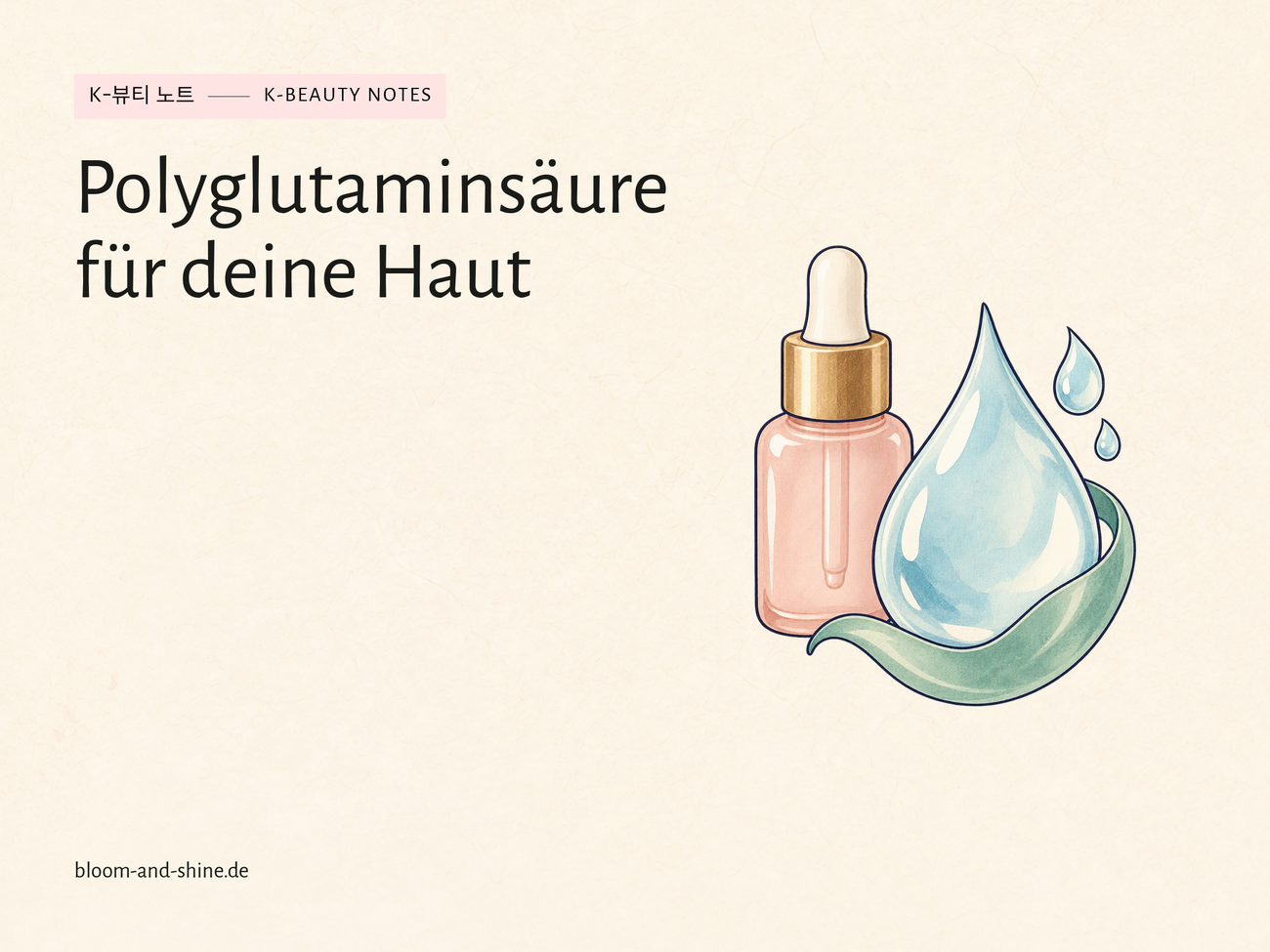
Polyglutamic acid: How does it fit into your skincare alongside hyaluronic acid?

Polyglutamic acid: How does it fit into your skincare alongside hyaluronic acid?

You often come across polyglutamic acid where moisture is involved. Behind the long name is a chain of many glutamic acid building blocks that can bind water. On the ingredients list it is called Polyglutamic Acid. It can appear in a formula together with hyaluronic acid. However, it is not possible to tell from the two names alone which serum will care for your skin more pleasantly. What else is in the bottle also counts.

An example is the Anua Niacinamide 10% + TXA 4% Serum : It combines polyglutamic acid with several forms of hyaluronic acid. The focus here is on niacinamide and tranexamic acid for the care of uneven skin tone. If you’re simply looking for a little more moisture, you don’t have to use this combination of active ingredients. Our brief knowledge of glycerin explains how a familiar moisture binder works in a cream.

If the Anua serum suits your routine needs, first distribute a few drops before the cream and increase the application carefully. Anua also recommends sun protection from SPF 30 during the day. By the way, the percentages in the product name refer to niacinamide and TXA. The proportion of polyglutamic acid is not stated.
Do you want to find out more about K-Beauty? Sign up for our newsletter!

Leave a Reply

Your email address will not be published. Required fields are marked *

Legal guarantee

Official EU notice on the legal guarantee. Full wording follows below the graphic. Link to Your Europe, opens in a new tab.

Text of the EU notice

Minimum two-year legal guarantee protection for goods sold in the European Union.

Consumers can claim their rights under the legal guarantee of conformity, for example if goods:

  • do not match the description;
  • do not function as intended.

Sellers are liable for any lack of conformity which existed when the goods were delivered, and which becomes apparent within the legal guarantee period. Sellers in such a situation are required to offer:

  • free repair or free replacement;
  • in some cases, a price reduction or full reimbursement.

Some countries have a longer legal guarantee period. For second-hand goods, a shorter period may apply, but not less than one year.

For more information on your rights in a specific country, scan the QR code below or ask the seller.

europa.eu/youreurope/guarantees

What to do if you receive non-conforming goods:

  1. Contact the seller as soon as possible to report the issue;
  2. Provide proof of purchase, such as a receipt, invoice, or bank statement.

Sellers and producers may also offer commercial guarantees, which apply independently from the legal guarantee. For example, you may see this GARAN label representing a commercial guarantee of durability offered by the producer at no additional cost and covering the entire good.

Withdraw from contract

Fill in the fields below to submit your withdrawal.

1. Your details 2. Confirmation

Fields marked with * are required by Section 356a (2) of the German Civil Code (BGB). For information on how we process your data, see our privacy policy.