Bloom Skin: What’s behind the gentle glow?
Bloom Skin describes a gentle, natural-looking glow. What's behind the young beauty trend and what it means for your existing routine.

Bloom Skin: What’s behind the gentle glow?
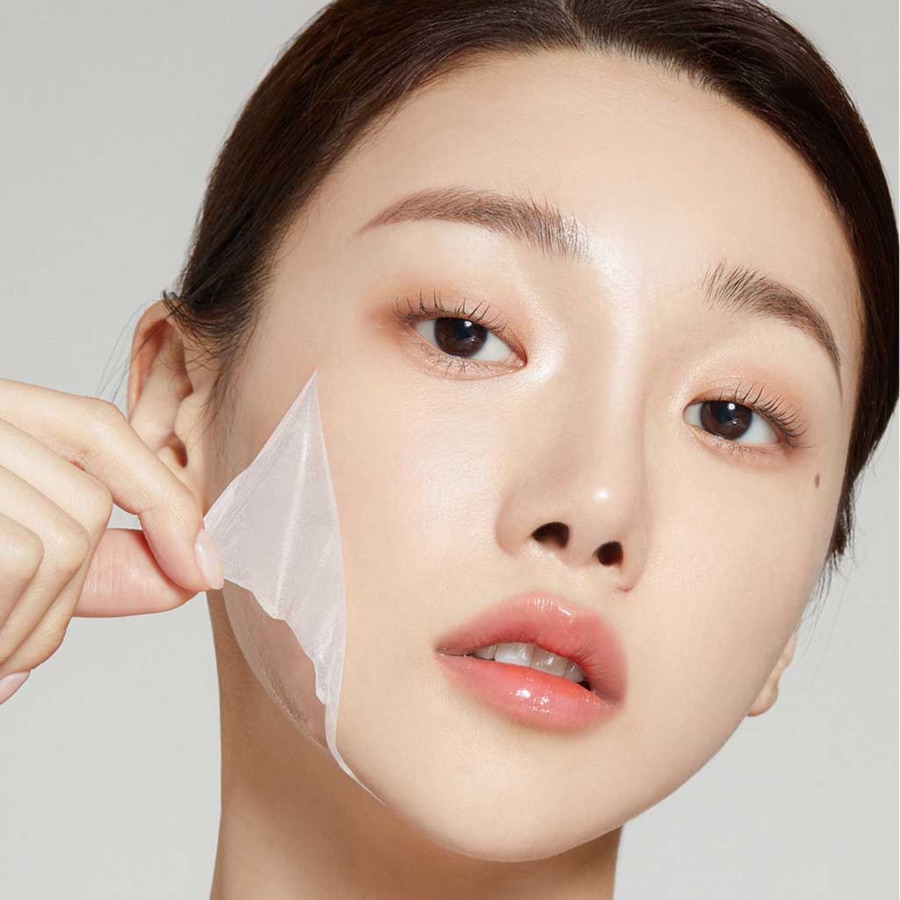
A gentle shimmer on the cheeks without making the whole face shine: This is how “Bloom Skin” is currently being described in the beauty press. The term sounds like blossoming and means a soft, natural-looking glow. If you like skin like this, it’s worth taking a closer look. Maybe what you like most about it is that the care can look a little less like a high gloss again.
What does Bloom Skin mean?
Bloom Skin is a name for a desired complexion: fresh, well moisturized and with a reserved glow. In August 2026, both the trade magazine Cosmetics Business and ELLE Germany picked up the term as a K-Beauty trend. So there is actually a current development in beauty reporting.
However, this does not create a new skin type or a defined care method. When trend articles talk about glowing “from within,” this is an image of the look. This does not indicate a specific effect of a serum or the condition of your skin.
What makes Bloom Skin different from Glass Skin?
With Glass Skin, the focus is usually on a clearly light-reflecting, almost glassy surface. Bloom Skin is described as softer, with less wet shine. The boundary is fluid: both terms are about a well-groomed shimmer, only the idea of the finish shifts.
You don’t have to choose between two care camps. A cream that felt comfortable yesterday will still suit you tomorrow. If you would like to classify the previous look in more detail, you can find out more about light, skin structure and realistic expectations in our article about Glass Skin.
What will this change in your routine?
Maybe nothing. First, make sure your skin feels comfortable after washing and applying cream. There is no mandatory shopping list and no prescribed active ingredient for Bloom Skin. An additional exfoliation or several new serums are therefore not a requirement to be inspired by the look.
The word skin barrier is often mentioned in reports. It’s worth taking the idea behind it seriously, without seeing every shiny cheek as proof of healthy skin. If you are more concerned about tightness or burning, our article on the skin barrier will help you classify it. A trend photo does not answer this question.
Two creams you can look at
If you are looking for a moisturizer anyway, the Purito Mighty Bamboo Panthenol Cream is a possible example. According to the manufacturer, it contains 10 percent panthenol and squalane and is applied to the face and neck. The percentage alone does not decide whether you like the finished cream. The feeling on your skin also counts.
If you prefer a rich, buttery texture, the SKIN1004 Madagascar Centella Probio-Cica Enrich Cream is an option. Its ingredients include glycerin, shea butter, squalane and ceramide NP. The two creams are alternatives for the cream step. You don’t need them layered on top of each other, and neither promises a set bloom-skin look.
If your current care suits you well, it can stay. You can also take the idea of a gentle glow with you without putting anything new in the bathroom.
Lee’s fact note
Bloom Skin will be adopted as a beauty trend in 2026. The differences to Glass Skin primarily describe the desired look. There is no medical statement or a standardized care program in it. The basis for this classification is Cosmetics Business from August 26, 2026 and ELLE from August 30, 2026 . The product information was compared with the manufacturer’s websites of Purito and SKIN1004 . As of: September 2026.
Bloom Skin and Glass Skin: the practical difference
Glass Skin is usually shown as a very smooth, almost reflective finish. Bloom Skin can be better understood as a soft, vibrant glow. Both terms are aesthetic orientation and not dermatological skin conditions. You can choose the texture that feels comfortable in your everyday life.
For your own little glow routine, use the Quick-K routine . You can find the basics for the different look under Glass Skin.